Why Nervous System Regulation Is the Foundation of Brain Health
Sleep is one of the most powerful—and often overlooked—tools for protecting brain health. For those striving to perform at their highest level and for those of us who are aging and want to remain mentally sharp, adaptable, understanding, and emotionally resilient, quality sleep is essential. During sleep the brain performs critical maintenance tasks, clearing metabolic waste, consolidating memory, regulating hormones, and strengthening neural connections that support learning and emotional balance. Consistent deep sleep is one of the most important factors in preventing cognitive decline and maintaining optimal brain performance throughout life. Yet many people struggle to reach the deep, restorative sleep their brain requires. The missing piece often lies not in the bedroom environment, but in the nervous system itself.
In my work with clients focused on brain health, performance optimization, and recovery, I frequently see individuals whose nervous systems are stuck in a state of chronic alertness. Even when they attempt to relax, their brain continues signaling the body to stay vigilant. This persistent state of sympathetic activation—often referred to as the fight-or-flight response—prevents the brain from transitioning into the parasympathetic state required for deep rest and recovery. For peak performers, professionals under high stress, and individuals who want to protect their cognitive longevity, learning how to regulate the nervous system is a critical step toward improving both sleep and overall brain resilience.
One of the tools I have been recommending to clients since 2023 is the Apollo Neuro wearable device, which helps regulate the nervous system through gentle sensory stimulation. Click on the above link for $99 off the device plus subscription.
What Is Apollo Neuro?
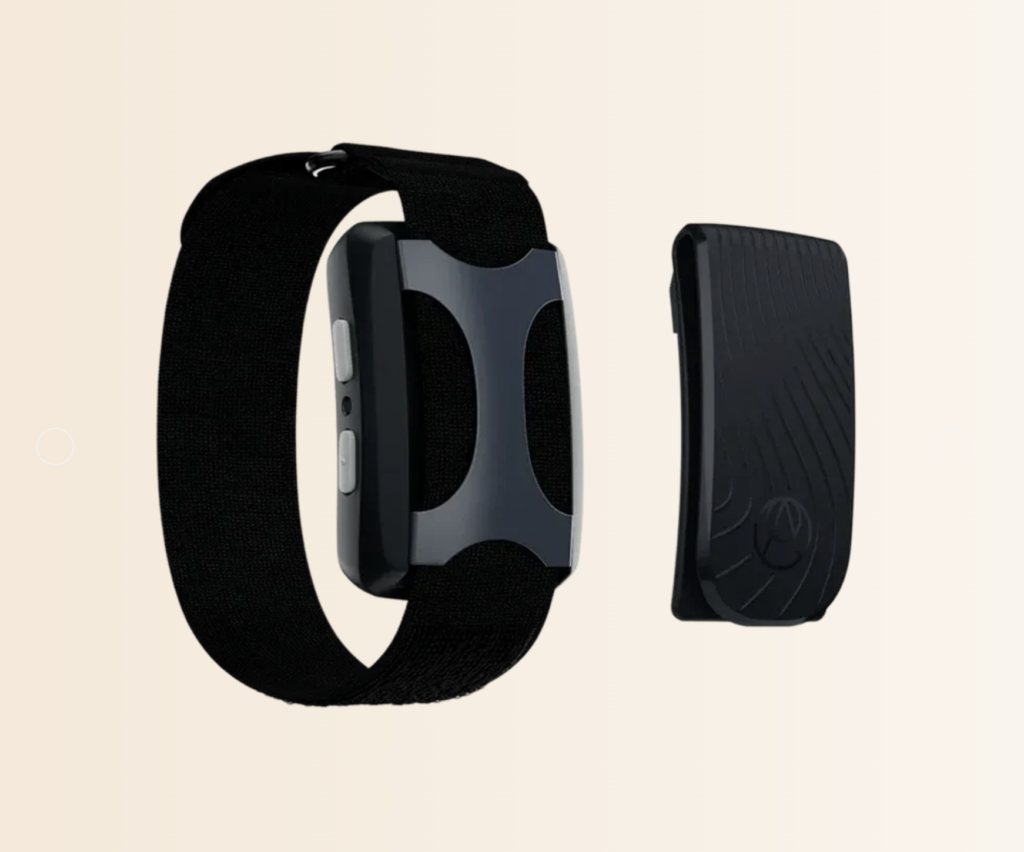
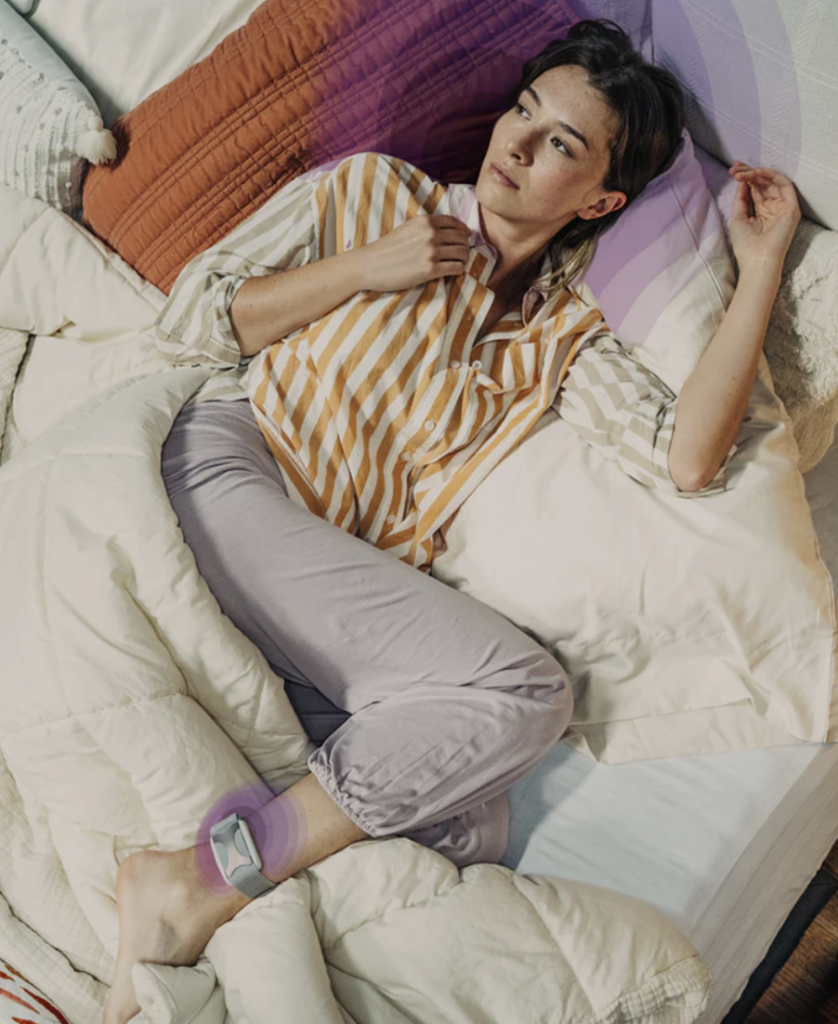
Apollo Neuro is a wearable wristband designed to interact with the nervous system using a form of touch-based vibration technology. The device stimulates receptors in the skin that communicate directly with the brain through the vagus nerve, one of the body’s primary pathways for regulating the parasympathetic—or “rest and digest”—response. When clinicians talk about vagal stimulation, we are essentially referring to signals that tell the body it is safe to slow down. These signals support relaxation, emotional regulation, and the transition into restful sleep.
The vagus nerve itself is one of the most important communication highways between the brain and body. It continuously monitors what is happening internally and adjusts the body’s responses accordingly. Approximately eighty percent of vagal activity is receptive, meaning information flows from the body and brain toward the vagus nerve so that the nervous system can assess how well systems such as digestion, circulation, and stress regulation are functioning. The remaining twenty percent of vagal activity is directive, meaning the vagus nerve sends instructions back to organs, blood vessels, the gut, and the brain to regulate heart rate, breathing, digestion, and calming responses. In essence, the brain and vagus nerve are constantly exchanging information, adjusting the body’s physiological state second by second. The Apollo device works within this natural communication system by sending gentle vibration patterns that signal the nervous system to move toward a calmer and more regulated state.
Many individuals attempt to improve sleep through supplements, medications, or environmental adjustments, yet overlook the role of nervous system tone. If the brain perceives stress—even subtle stress—it will resist entering the deeper stages of sleep necessary for restoration. Devices such as Apollo Neuro can support this process by gently stimulating parasympathetic activity, helping the body shift away from the fight-or-flight response and toward a state that supports recovery and relaxation.
Research surrounding the Apollo Neuro device has shown promising results. Individuals who use the device consistently often report falling asleep faster, sleeping longer, and experiencing deeper and more restorative sleep cycles. Some users also demonstrate improvements in REM sleep and increases in heart rate variability (HRV), a key indicator of cardiovascular and nervous system resilience. When HRV improves, it often reflects a nervous system that is better able to adapt to stress and return to a balanced state more efficiently.

In addition to improving sleep quality, many of my clients find the device helpful in situations where the nervous system becomes overstimulated. Individuals who experience exposure to mold, environmental toxins, or chemical sensitivities often report heightened nervous system reactivity that can manifest as anxiety, insomnia, or difficulty calming the body. Others experience similar patterns during periods of social stress or overstimulation. Because the Apollo device works through the body’s natural regulatory pathways, it can help guide the nervous system back toward balance and stability.
It is important to recognize that brain health is highly individualized. Each person’s nervous system is influenced by daily habits, nutritional intake, sleep timing, environmental exposures, emotional stress, and physical activity. Tools such as Apollo Neuro can be extremely valuable, but they work best when integrated into a broader strategy that includes lifestyle optimization, nervous system regulation, and—when appropriate—brain training approaches such as neurofeedback.
For those interested in trying the Apollo Neuro device, I have partnered with the company to provide a special discount for my clients and readers.
You can receive $99 off the device and subscription here:
https://apolloneuro.com/betterbrainbalance
Protecting brain health often begins with something deceptively simple: restoring the body’s ability to calm down. When the nervous system is able to shift into a restorative state, the brain can finally perform the essential repair and recovery processes that occur during deep sleep. Over time, this supports clearer thinking, stronger emotional regulation, and greater resilience to stress—benefits that extend far beyond the bedroom.
To a healthier, calmer, and more focused you,
Lori Miller, Personal trainer for your brain